Laphroaig

laphroaig plot
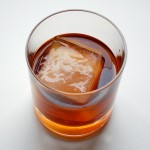
I set out to buy some scotch for cocktails and ended up with a lease on a one-square-foot plot of land in Scotland. When you buy a bottle of Laphroaig the bottle is tagged with a unique ID number that you can enter at www.laphroaig.com/plot. A few moments later they’ll send you a deed promising to pay you a yearly rent of one dram of Laphroaig for use of the plot, to be collected at the distillery. Should you decide to seek out your plot they’ll provide you with a map, wellingtons, a tape measure, protective headgear to guard against low-flying geese, a life belt and anchor to prevent you from being blown out to sea, and mysteriously, “one ball of string for securing trouser legs from inquisitive stoats.” It’s a cool promotion for the adventurous scotch-drinker, if you don’t mind curious ferrets crawling up your leg, I suppose. As for myself, sipping some super-smokey, peaty Laphroaig 10 Year Old in my Brooklyn abode is adventure enough. This scotch is definitely an acquired taste, but it is a memorable one that has won over many.

Billionaire Cocktail

billionaire cocktail
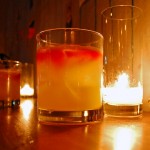
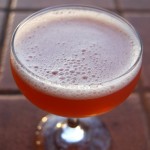
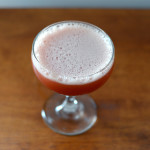
Recently I attempted to recreate a billionaire cocktail, my favorite drink on the menu at the famous Employees Only, without the long wait and $15 sticker shock. I pulled the recipe from the New York Times, but made a few changes. Instead of from-scratch grenadine syrup, I added some Stirrings Pomegranate Liqueur from Astor Wine and Spirits, and instead of a half ounce of absinthe substitute, I added a dash of St. George Absinthe Verte (the recipe dates back to a few months before absinthe was legal to produce in the US). At Employees Only they use housemade absinthe bitters, but I think the St. George is complex enough to stand in for the bitters—it’s just that a little goes a long way, unless you like a liquorice cocktail. The result was tart and just sweet enough, with subtle herbal notes. It’s going on the permanent menu at my place.
Paper Plane

paper plane

This was my first stab at reproducing a drink I had at Milk & Honey, a cocktail bar in the Lower East Side. Milk & Honey has been around since 2000, and may be single-handedly responsible for kicking off the speakeasy trend in New York City. In the past decade a number of bars have opened downtown, each boasting about serious mixology and decked out in Prohibition-era decor. Milk & Honey retains its authentic exclusivity, though. Unlike the other bars, you can’t just walk in. You can apply and pay for a membership, or obtain their phone number through some vague referral process. Once in possession of the number, you send them a text when you want to go, and they’ll text you back if they have an available space. Or not. There’s a certain chanciness and willingness to wait around implicit in the visit, but on the other hand, getting the text back is a mark of accomplishment. The bar is located through an unmarked door on Eldridge Street, and its windowless darkness and lack of crowds lends it an air of instant sophistication. In case you’re less than classy, rules of decorum are posted in the bathroom. There’s no menu, instead the bartender asks what you like… you know what, I’m not going to review Milk & Honey. Sure, the drinks were great but I’m not a member and I don’t have the damn number and for $15 a drink, I can buy the ingredients and go cocktail crazy at my house–which is EVEN MORE exclusive and has a better view.

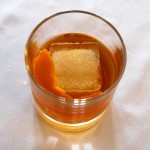
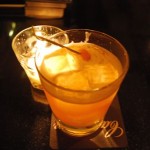
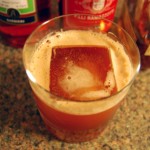
So, one of the drinks I had at Milk & Honey that I really liked was the Paper Plane. If someone asks me what I want in a cocktail, the first thing I’ll say is I like bourbon and citrus, and dislike overly sweet things. This drink hit every mark. It’s dry, refreshing, and strikes a balance between the bourbon, lemon, bitter orange, and aperol, which is herbal and bittersweet. So, without further ado, the recipe:

3/4 ounce bourbon (I used Woodford Reserve)
3/4 ounce Amaro Nonino (I couldn’t find this and used Ramazotti)
3/4 ounce Aperol
3/4 ounce freshly-squeezed lemon
Shaken with ice and served in a coupe glass (I don’t have this so I used lowball glasses with big ice cubes so it doesn’t melt too fast and get watered down)

I noted the ingredients during my visit and grabbed the proportions from FoodandWine.com. The nice thing about cocktailing at home is that you can start tweaking the recipe to your tastes. I’m wondering how this might taste with scotch, but for a first try, this was dangerously tasty.

Summit Bar

summit barIf you have years of catching up to do with someone, you need a bar where you can actually chat, without feeling like a piece of driftwood being tossed around on a sea of drunks. Excellent cocktails never hurt conversation, so Summit Bar fit the bill nicely. I was a little relieved, on walking in, that there were no bartenders in suspenders or tasteful antiques attempting to evoke a 1920s speakeasy, a trend that’s getting a bit tiresome. Summit Bar seems like a straight-up lounge, with an elegant, candlelit bar, long wrap-around sofas, heated patio, and a music selection trending toward Jimi Hendrix and Led Zepplin. Actually, I can never hear Robert Plant’s whiny bleating without a flicker of irritation, but this was soothed by our cocktails, which were quite good. Read more…

Elsa

elsa cocktail bar

“Death of A Ladies’ Man” is the title of a spectacularly awful yet appealingly sleazy Leonard Cohen album, so it probably says something about you if, when you see this listed on a menu at a cocktail bar, you think “Aha, there’s my drink.” Significance aside, it was an enjoyable cocktail, mixing rye, Laphroaig, lemon, maple syrup, and tobacco bitters ($12). The addition of tobacco bitters was a new twist for me. The mellow smoky flavor elevated the drink beyond the usual whiskey/citrus combo. I also tasted the Black Book, with bourbon, jalapeno, honey, lemon, cinnamon, and cardamom. It had a slight spicy kick, though after some tongue-fuzziness settled, the herbal-citrus of the cardamon came through. This was the slightly less drinkable but definitely more interesting pick of the two drinks. Read more…